
Discussions
Discussions
General Discussion
Salt Therapy
The link below discusses the key components of a pulmonary rehab program: https://www.bronchiectasisandntminitiative.org/Learn-More/I-am-a-Patient-or-Caregiver/Pulmonary-Rehab
A disease is rare when it only affects a small portion of the population. Even though each disease may be rare on its own, living with a rare disease is, in fact, quite common. About 1 in 10 Americans are affected by a rare disease. Unfortunately, most of these conditions do not have any treatments available. People living with rare diseases often find it difficult to get a diagnosis and treatment plan that works for them. This is due to the limited research and treatment options available for rare diseases.
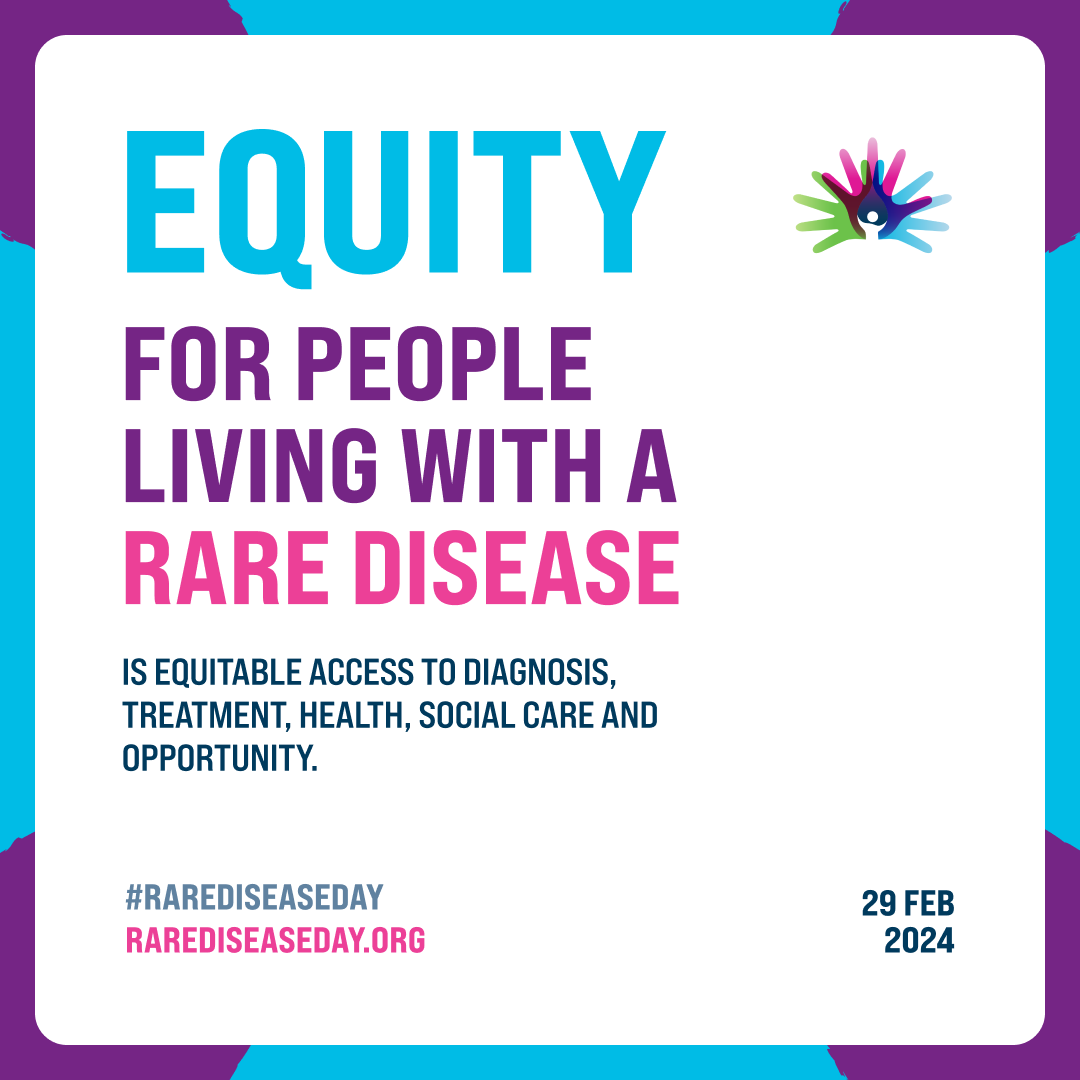
If we learn more about rare diseases, we can better support people living with these conditions. Rare diseases that affect the lungs and contribute to COPD include:
- Alpha-1 Antitrypsin Deficiency (AATD): a cause of emphysema that can run in families.
- Non-Cystic Fibrosis Bronchiectasis: a condition that can develop in people with certain lung infections. It can cause a lot of mucus in the lungs.
- Non-tuberculous mycobacterial (NTM) lung diseases: lung infections caused by germs called “mycobacteria”.
- Lymphangioleiomyomatosis (LAM): a genetic condition that causes smooth muscle growth in the lungs. This makes it hard for people living with this condition to breathe in and out.
People living with rare diseases face similar challenges. Rare Disease Day was created in 2008 to bring awareness to these conditions. It is celebrated on the last day of February each year.
Help bring awareness to Rare Disease Day by sharing your story or reason for caring about rare diseases. Make sure to use #ShareYourColors and #RareDiseaseDay on social media to show your support and raise awareness for these conditions.
More information on Rare Disease Day can be found at www.rarediseaseday.us or the global website www.rarediseaseday.org. Check out other ways to get involved here!
Has anyone gone through the nebulized tobramycin treatment that is being suggested by my doctor.
From what I can find on the web, the 28 days on, 28 days off, and then 28 days of treatment seem to be relatively safe, with possible ear and kidney complications.
Oasisman
It is important to have a thorough cardiac workup as we age. Different medications can affect our heart health; it is good to have a baseline stress test. Below is information on the procedure: https://my.clevelandclinic.org/health/diagnostics/16984-exercise-stress-test
Do inhalers work? I was given albuterol and bevespi. They were suppose to help with breathing but feel that they do not. I experience a rapid heart beat after taking the inhaler. I have bronchiectasis and they think possibly COPD. Not sure if they know exactly what I am dealing with.
Thank you.
Has anyone been able to get a months supply for less than $50.00? I got quoted a $30.00 price for 3% solution at Costco, but I need to ask my pulmonologist if that is as effective.
Thanks
Airway clearance is important throughout the dry heat of the winter months and the peak flu/ RSV season. Below is a video on the subject with Dr.Pamela McShane:https://m.youtube.com/watch?v=L-EHohMe7II
When we have a PICC line and have NTM and or abscessus, can blood be drawn from the PICC line or should we insist on getting blood drawn from the other arm?
And why is it considered dangerous? Infection?
Below is information on the pneumococcal vaccine from the CDC: https://www.cdc.gov/vaccines/vpd/pneumo/public/index.html
Below are videos on the different types of nebulizers and the different ways to clean them:https://www.copdfoundation.org/Learn-More/Educational-Materials-Resources/Educational-Video-Series.aspx
Hello, I was diagnosed with MAC and bronchiectasis, and referred to an Infectious Disease doctor. But I do not have a pulmonologist, which seems like it would be appropriate for bronchiectasis.
Is it typical to not have a pulmonologist? And if I should have one, what do I need to do or say to be referred to one?
Also, should I be tested for any specific co-morbidities? What determines if doctors will recommend testing?
thank you for any insights, Laur
Below is a patient video interview about RSV: https://m.youtube.com/watch?v=QkQnbwodtf8
I have doing research on supplements to my neublizing solutions to help me manage my bronchiectasis.
My sister-in-law saw an ad for Lung Clear so I did some research and found other supplements touted to help with infections and mucus issues. Does anyone tried them with any success.
Also I am looking to Pulmonary Rehab for a 12 week excercise program to improve my stamina, Has anyone had success with these programs
The article below discusses the role of nutrition and an adequate Vitamin D level to assist the immune system of individuals with bronchiectasis:
The blog article below reviews post nasal drop, causes and treatment: https://www.bronchiectasisandntminitiative.org/BronchandNTM360social/Community-Discussions/Blog/Article/167/Postnasal-Drip-in-the-Bronchiectasis-Patient
The link below reviews the different types of commonly used respiratory drugs:
Hello! We are advised not to use humidifiers. Dry heat can really dry out our nasal passages; I use nasal washes at this time of the year. Other suggestions are to leave a clean pot of water in your bedroom at night. Cracking a window is suggested as well but not in those frigid weather conditions. Airway clearance is of utmost importance at this time of year as well.
I use a nasal wash at this time of the year to clean out my nasal passages. Otherwise, doctors have recommended to leave a pot of clean, recently boiled water ( 10 minutes) by your bedside or to open a window a crack if doable since humidifiers are not recommended for NTM patients.
Does anyone else get relief in the following two ways:
1. When I get phlegm stuck in my throat, I can sometimes get it loose with the use of Ricola cough drops (the original, not the sugar free)
2. Prior to bedtime, I use Neilmed saline rinse, but not in the usual way. I remove the tube from the bottle, and tilt my head back and squeeze the solution into my nostrils while gently breathing in. I usually wash out some gunky yellow stuff, and it makes getting to sleep much easier.
The link below reviews the different sources of mental health support, in person, on line, and the different types of facilities where m:https://www.webmd.com/mental-health/ss/cm/slideshow-where-to-get-mental-health-help
Cold, dry air may lead to increased mucus production. This is certainly the time of the year to do airway clearance regularly to avoid respiratory infections. The article below reviews the impact of dry air on our respiratory tract. https://www.cnet.com/health/medical/its-almost-winter-heres-how-cold-weather-affects-your-breathing/
Below are 11 tips to assist you to deal with anxiety: https://www.mayoclinichealthsystem.org/hometown-health/speaking-of-health/11-tips-for-coping-with-an-anxiety-disorder
Hello! Below is an excellent, heartfelt article written by Amanda Atkinson, RN,MS on Caregiving. Multiple links to resources are included in the article. https://www.copdfoundation.org/COPD360social/Community/Questions-and-Answers/Checking-In-On-Those-Who-Check-In-On-Us.aspx
The link below is the list of the top probiotics in 2023: https://www.healthline.com/nutrition/best-probiotic-supplement
It is not our intention to serve as a substitute for medical advice and any content posted should not be used for medical advice, diagnosis or treatment. We make every effort to support our members, our medical professionals cannot and will not provide a diagnosis or suggest a specific medication; those decisions should be left to your personal medical team. While we encourage individuals to share their personal experiences with Bronchiectasis and NTM, please consult a physician before making changes to your own Bronchiectasis and NTM management plan.
Community posts are monitored by the 360social Community Manager, as well as staff respiratory therapists, educators, and other medical professionals.